
Materials · Guide
A fresh pad, one carefully chosen brush, a small box ready to open. Choose something that fits the way they paint, or makes their first session easier to begin.
6 min read
Buying a gift for a watercolour painter becomes easier when you stop trying to assemble their perfect studio. You are choosing something for the next painting session. That might mean paper they can use freely, a cotton sheet they have wanted to try, or a replacement for the brush they keep reaching for.
For someone who has never painted, a small, usable combination of paper, paint and brush makes more sense than an impressive box with an uncertain purpose. For someone who paints every week, finding out exactly what they use is part of choosing the gift.
These ideas work for Christmas, birthdays and a return to painting after a break. Start with the person, then choose the material.
At a glance
If you cannot ask: a 300gsm cold press watercolour pad around A4 or 9 × 12 inches is a practical surprise gift. Paper is a consumable, and this is a manageable size for small paintings. Bockingford 300gsm Not is the starting choice in our beginner paper guide.
For a beginner who already has paint: match the size and surface of the pad they use now.
For someone curious about cotton paper: consider Saunders Waterford or Arches in a familiar surface and manageable format.
For a painter with an established kit: replace a known favourite before guessing at an expensive upgrade.
For someone starting from nothing: give paper, paint and a brush together. Add a pad of watercolour paper so they have something to paint on.
Before ordering: confirm the exact variant, delivery country and arrival estimate.
Choose by what you know about the painter
| What you know | A useful direction | The detail to find out |
|---|---|---|
| They have paint but hesitate to use their paper | A practice pad | Usual painting size and surface |
| They want to try cotton paper | A small pad, block or a few sheets | Cold press, hot press or rough; preferred format |
| They mention a favourite brush wearing out | The same brush, or a discussed alternative | Maker, range, shape and size |
| They want to begin but own nothing | A compact set, plus a pad of paper | Whether the box includes a brush |
| They already have strong preferences | A refill or replacement they name | The full label, rather than a remembered brand |
A practice pad: give them more room to paint
Paper is worth considering before another box of colours. It is used up, and a fresh pad gives the recipient something to put their existing materials to work on.
Our beginner paper guide starts with Bockingford 300gsm Not. Not is the UK term for cold press, a textured surface rather than a smooth one. Choose cold press unless you know they prefer another surface.
Your choice applies to all four gifts.
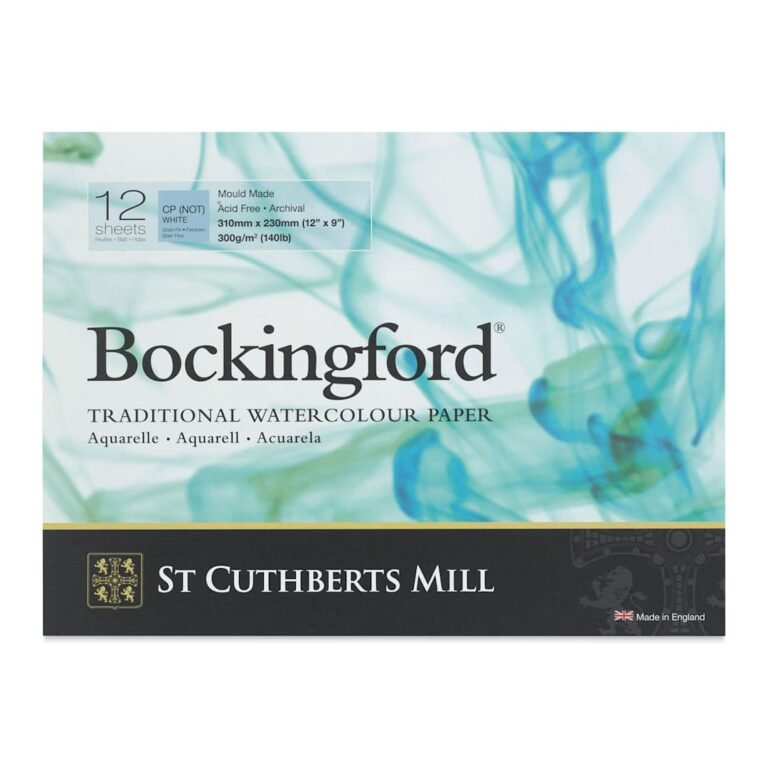
Practice paper · the surprise default
Bockingford watercolour pad
300gsm · cold pressed / Not · 9 × 12 in · wood pulp
The starting paper in our beginner guide, in a manageable size for small paintings.
 UK
 US
If you can, match the size of the pad they already use. A larger sheet may look generous in its wrapping but need more desk space or a different way of working. For someone who paints small studies at the kitchen table, another manageable pad can be the more thoughtful gift.
Do not substitute a general drawing pad simply because its cover looks similar. Check that it is intended for watercolour, then check weight, surface and dimensions.
A cotton paper upgrade: make it an invitation
For a painter who wants to explore a different paper, a modest amount of cotton paper can make a more interesting gift than a large supply of something unfamiliar.
Saunders Waterford and Arches Aquarelle are the cotton options discussed in our paper guides. Both offer 300gsm cold press paper. A pad or block around 9 × 12 inches is enough for several small paintings. Match their usual surface if you know it.
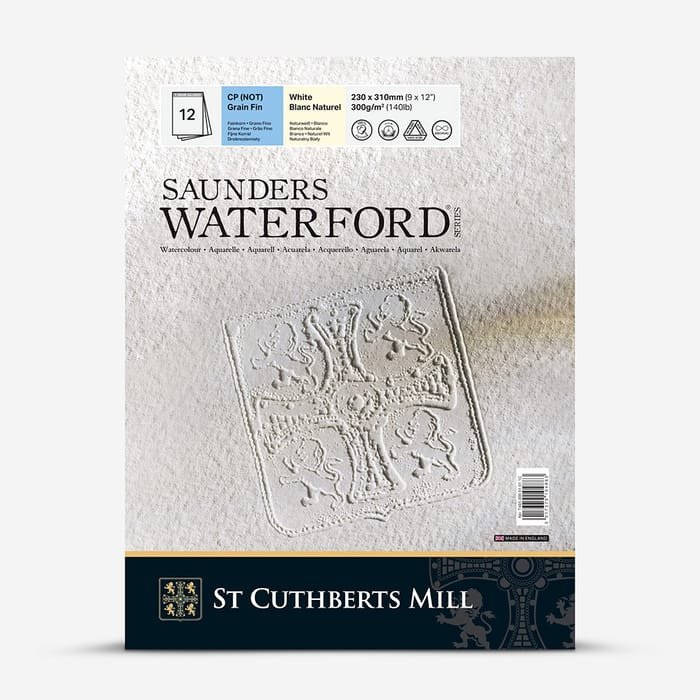
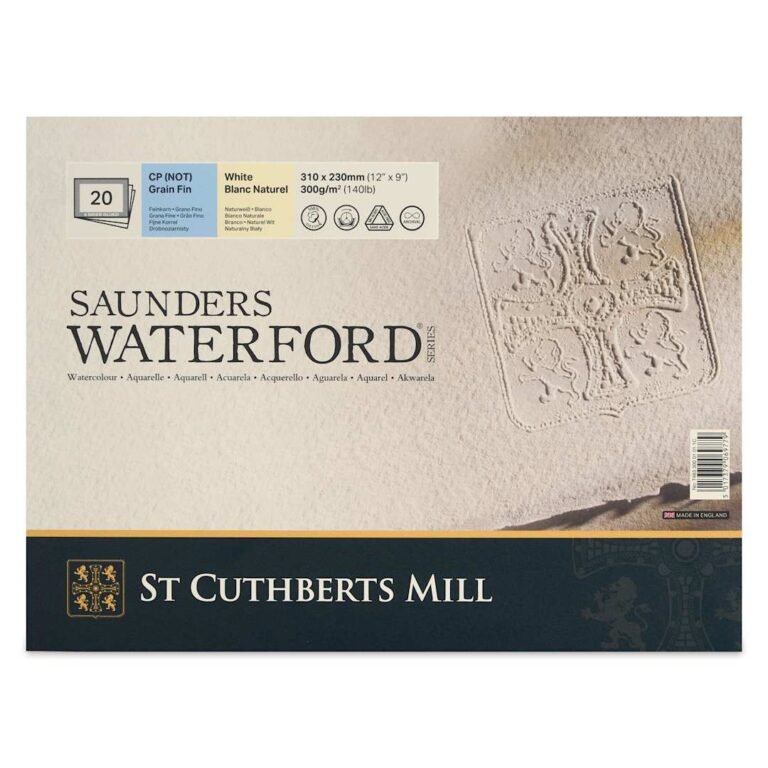
A cotton paper upgrade
Saunders Waterford
300gsm · cold pressed · 9 × 12 in · 100% cotton
A smaller format for exploring cotton paper. Choose a pad in the UK or a block in the US.
Choose the format as carefully as the brand. A pad is familiar and straightforward to put away. A block holds its sheets together at the edges. Loose sheets allow different sizes but may need cutting and a board. Our guide to pads, blocks and sheets explains the trade-offs.
If they already use cotton paper, another brand is a change of material rather than an automatic upgrade. Ask whether they would enjoy trying it. For someone who values consistency, replacing their usual paper may be the better choice.
One brush: ask one more question
A single brush can feel like a considered gift, but it is also easy to choose the wrong one. A painter may value the shape and feel of an ordinary-looking favourite more than the price of its replacement.
If you can ask, ask for a photograph of the handle and the whole brush head. The maker, range and shape matter as much as the number: a size 8 in one range is not the same size in another.
For a beginner who has not named a favourite, a Princeton Aqua Elite synthetic round in size 8 is a practical starting option. Our beginner set guide starts with a size 8 round, and Aqua Elite is the general round in our comparison of watercolour rounds. For an experienced painter, a known preference remains the better guide.
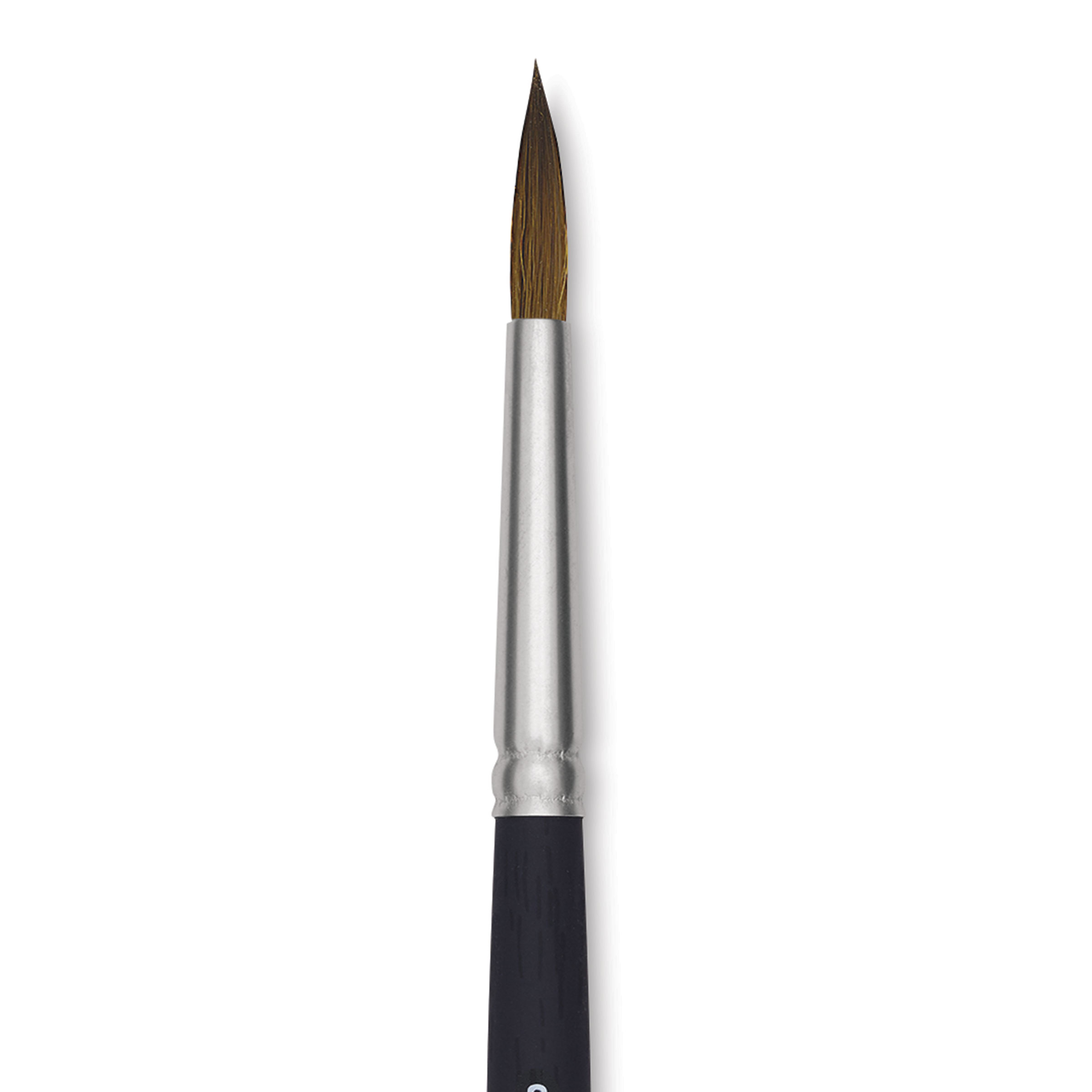
One useful round
Aqua Elite round, size 8
Princeton Series 4850 · synthetic · short handle
A practical starting brush for a beginner. For an experienced painter, match their preferred brush.
Princeton Neptune is another range covered in that comparison, worth considering when the recipient wants a softer brush for washes. Our brush size guide explains how to read the head measurements a shop lists.
A compact paint set: complete the first session
For a beginner, the attraction of a small paint box is that it gathers the colours into something they can open and use. The number of colours is not a useful measure of how much painting it will enable.
The Winsor & Newton Cotman Sketchers’ Pocket Box is the first set in our beginner set guide. It holds 12 half pans, a pocket brush and a mixing palette in one small box.
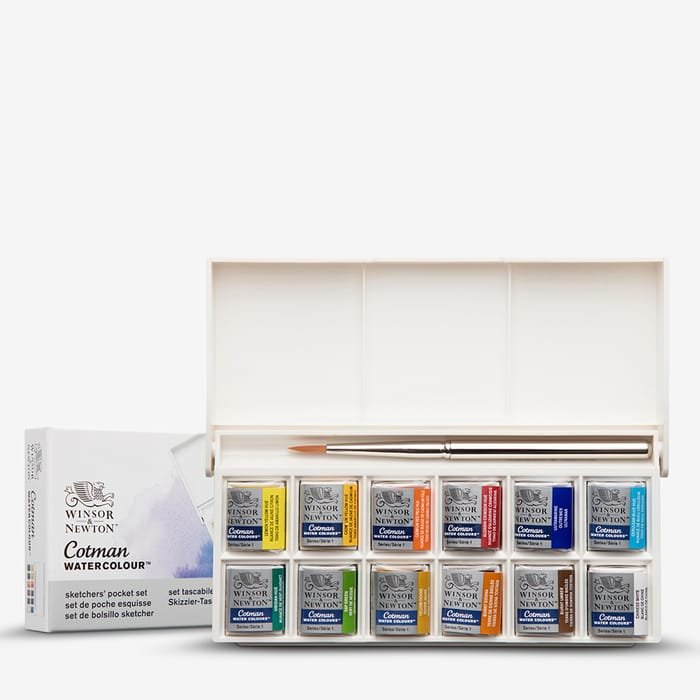
A first paint box
Cotman Sketchers’ Pocket Box
12 half pans · pocket brush · mixing palette
The first set in our beginner guide. Add a pad of watercolour paper.
Ryman lists a different compact box, the Daler-Rowney Aquafine travel set, with 18 colours, a mini brush and two mixing palettes. Our Ryman buying guide explains what to check before choosing it.
Whichever box you choose, add a pad of watercolour paper if they have none.
For someone returning to painting, ask about their existing materials before replacing them. A new set may be welcome, but the missing ingredient could simply be fresh paper and a place to begin. Our beginner supplies guide explains what each essential is for.
Buying in the UK or the US
In the UK, our Jackson’s buying guide explains the specialist retailer’s range, delivery and returns. Check the product choices above for the relevant paper, brush or set; availability can differ between them.
In the US, our Blick buying guide explains how its listings group sizes and sets. For other countries, or an item those shops do not carry, use Where to buy.
For a Christmas gift, check the retailer’s current arrival estimate for the delivery address before you order.
The practical verdict
Buy for the next painting, not for an imagined future studio. A beginner can use a complete, modest start. A regular painter may appreciate more of a material they already enjoy. Someone ready to experiment might welcome a small amount of a different paper.
The thoughtful part is the match: the right surface, a useful size, or the brush they actually wanted. Once you know that, the shopping becomes much simpler.